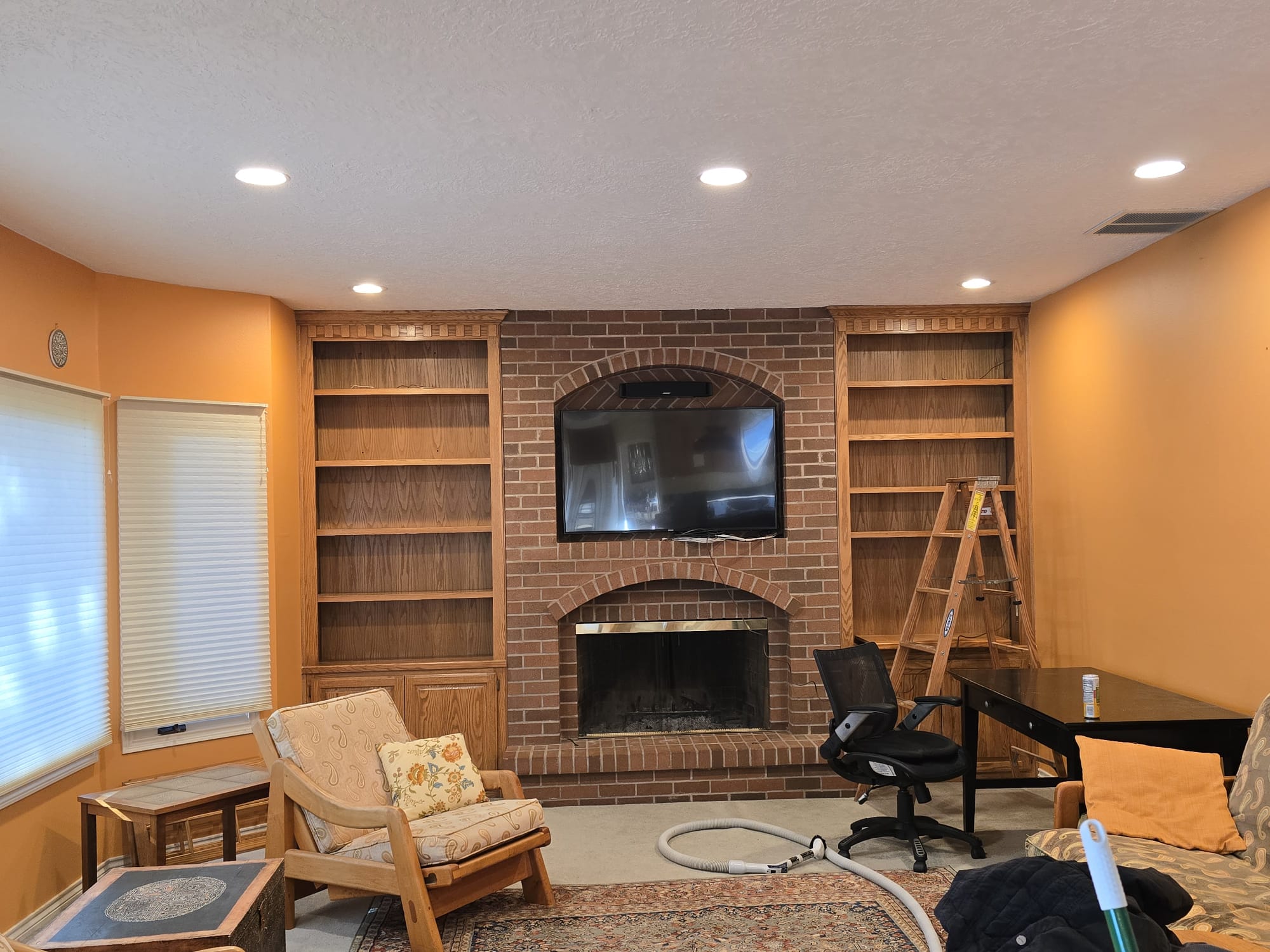
How to Prepare Your Home for a Painting Project
Preparing your home for a painting project is essential to ensure a smooth and successful experience. Whether you're refreshing a single room or repainting your entire home, proper preparation can save you time, money, and frustration. In this guide, we will discuss practical steps to get your home ready for painting, helping you achieve the best results.
1. Choose the Right Time for Your Project
Timing is crucial when planning a painting project. Consider the following factors:
- Weather conditions: Avoid painting during rainy or excessively humid days.
- Time of year: Spring and fall are ideal seasons for painting projects.
- Duration: Allocate sufficient time for each phase of the project.
2. Clear the Area
Before any painting begins, it's important to clear the work area. This includes:
- Removing furniture: Move furniture out of the room or to the center and cover with drop cloths.
- Taking down wall decorations: Remove pictures, mirrors, and wall hangings.
- Covering floors: Use drop cloths or plastic sheets to protect your flooring.
3. Repair and Clean Surfaces
Proper surface preparation is key to achieving a professional finish. Follow these steps:
- Inspect walls and ceilings for cracks or holes, and patch them up.
- Sand rough areas to create a smooth surface.
- Clean surfaces to remove dust, grease, or grime.
4. Choose the Right Paint and Tools
Selecting the right paint and tools can make a significant difference in the outcome of your project. Consider the following:
- Paint type: Choose between latex or oil-based paints depending on the area being painted.
- Finish: Select a finish that suits the room's purpose, such as matte, satin, or glossy.
- Tools: Gather brushes, rollers, painter’s tape, and trays.
5. Protect Your Home
To avoid damage during the painting process, take the following precautions:
- Use painter's tape to protect edges and create clean lines.
- Cover light fixtures and outlets with plastic wrap.
- Remove or cover any hardware, such as doorknobs and handles.
6. Ventilate the Area
Proper ventilation is essential for safety and to help paint dry effectively. Here are tips to ensure good airflow:
- Open windows and doors to create cross-ventilation.
- Use fans to circulate air and speed up drying.
- Avoid painting in closed spaces without ventilation.
7. Final Checklist Before You Start
Before you begin your painting project, go through this checklist to ensure everything is in order:
- All surfaces cleaned and prepped.
- Furniture moved and floors covered.
- Painting tools and materials ready.
- Ventilation set up.
- Safety equipment, such as masks and goggles, available.
Conclusion
Preparing your home for a painting project may seem daunting, but following these steps can help streamline the process and ensure a successful outcome. By taking the time to plan, clear, and protect your home, you can achieve a beautiful finish that enhances your living space. If you need assistance or professional help for your painting project, consider reaching out to a local expert like Umbrella Painting LLC for guidance.